
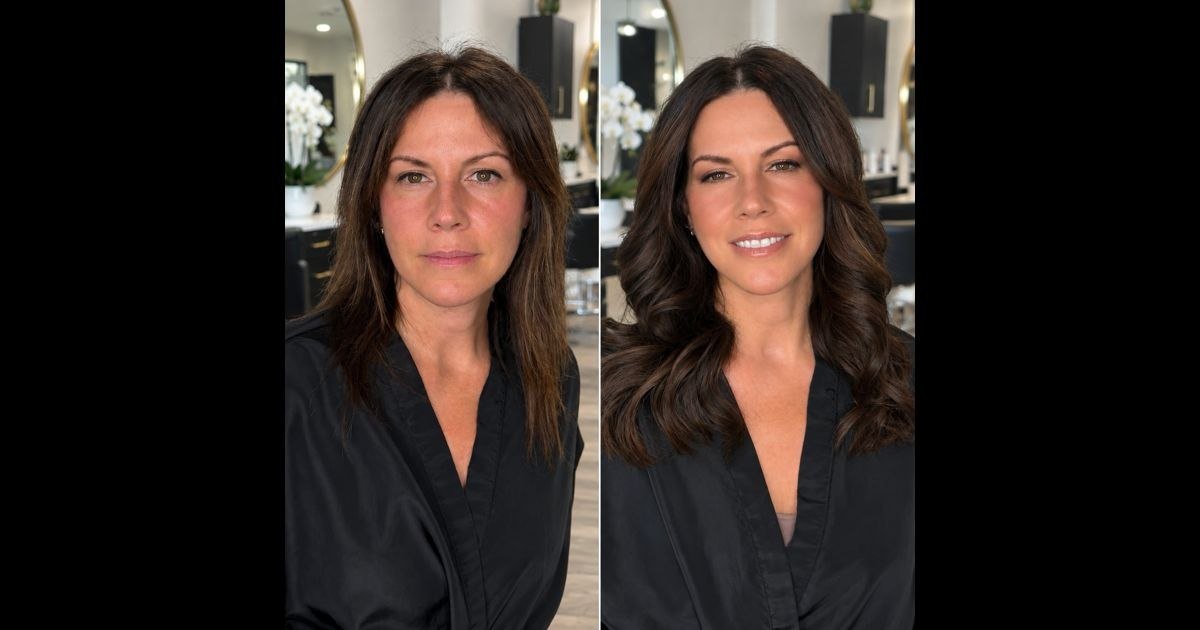
The right extension method can make your routine feel easier
Hair extensions should complement your life, not create another demanding appointment on your calendar. If you work long hours, travel frequently, exercise regularly, or simply prefer a streamlined beauty routine, the most important question is not which method looks most dramatic. It is which method fits your hair, styling habits, and willingness to return for maintenance.
A well-matched method can add length, fullness, or targeted coverage while helping your hair look polished with less daily effort. However, every extension option has care requirements. The best choice depends on factors such as your natural hair density, desired result, scalp comfort, usual hairstyle, and how often you can schedule professional maintenance.
- How often you wash and style your hair
- Whether you regularly swim, exercise, or wear your hair up
- How much length or volume you want to add
- Whether your natural hair is fine, fragile, or thinning
- How frequently you can return for maintenance appointments
What “low maintenance” really means with extensions
Low maintenance does not mean maintenance-free. Extensions still need gentle brushing, careful drying, suitable products, and professional appointments. The goal is to choose a method whose upkeep feels realistic rather than disruptive.
Your daily routine may become simpler because added hair can provide shape and fullness without extensive styling. At the same time, improper brushing, sleeping with wet hair, pulling on attachment points, or delaying maintenance can create avoidable stress on both the extensions and your natural hair.
During a consultation, it is useful to discuss your real schedule rather than an idealized version of it. Tell your stylist how often you wash your hair, whether you prefer air-drying, and what happens on your busiest days. Honest details help the stylist recommend an option you can care for consistently.
- Brush gently from the ends upward, supporting the attachment area when needed.
- Dry the roots and attachment points thoroughly after washing.
- Avoid sleeping with wet hair and use a loose, comfortable style at night.
- Follow the salon’s guidance for maintenance timing instead of waiting until attachments feel uncomfortable.
- Schedule an in-person review if shedding, scalp sensitivity, tangling, or changes in natural hair occur.
How common extension methods may fit different routines
There is no universal “best” method for every busy client. Each service has a different maintenance pattern and may be appropriate for different hair characteristics and styling preferences.
K-Tip Hair Extensions, also called fusion extensions, are applied strand by strand and may offer a customized, blended result. They require careful home care and professional removal before a new set is installed. This approach may suit someone seeking a longer-term result who is prepared to follow detailed care instructions.
Invisible Beaded Weft Hair Extensions can create visible fullness across a broader area. Their maintenance schedule is an important part of the decision, particularly for clients who want volume but need appointments planned around work, travel, or family commitments.
Micro Bead or Micro Link Hair Extensions use small attachment points and may be considered when a client wants strand-by-strand customization. Proper placement, brushing, and scheduled maintenance matter, especially if the hair is fine or the client frequently wears it in different styles.
Tape-In Hair Extensions may appeal to clients who prefer a flatter attachment profile and a method that can be maintained periodically. They still require careful washing, drying, and brushing, and the right placement depends on the client’s natural hair and desired coverage.
V-Light Extensions can be considered when a client wants discreet volume in selected areas. They may be useful for a focused enhancement rather than a full transformation, but suitability should be determined in person.
For clients experiencing noticeable thinning or seeking more comprehensive coverage, Mesh Integration System, Meshless Integration System, or Hairdreams MicroLines may be discussed during a consultation. These services are consultation required because the right approach depends on the pattern of thinning, existing hair, scalp comfort, and desired coverage.
- Ask about the expected maintenance interval for the specific method being considered.
- Explain whether you need to wear your hair up for work, exercise, or daily activities.
- Discuss how the attachment method will work with your usual part, haircut, and styling preferences.
- Consider whether you want overall length, all-over volume, or targeted coverage.
Match the method to your busiest habits
If you travel often, a method with a predictable maintenance plan may be easier to manage than one that requires frequent adjustments. Ask what to do if an attachment loosens while you are away and how to protect the hair during air travel, humid weather, or long days.
If you exercise frequently, your stylist can explain how to secure the hair comfortably and how soon to dry the roots after washing. Clients who swim should discuss protective routines before committing to any method, since repeated exposure to water and chemical treatments can affect extension hair and attachment areas.
If you prefer quick mornings, added fullness may reduce the amount of styling needed. Still, extension hair may require more thorough drying and detangling than natural hair alone. A practical routine is one you will actually follow consistently.
If you have fine, fragile, or thinning hair, a private consultation is especially important. More hair is not automatically a better result. The stylist needs to assess available support, the condition of your natural hair, and whether extensions or an integration service is the more appropriate conversation.
- Bring a typical weekly schedule to the consultation, including workouts, travel, and wash days.
- Ask for a realistic home-care routine rather than a general list of products or steps.
- Plan maintenance before vacations, major events, or unusually busy work periods.
- Do not select a method based solely on the quickest application or the most dramatic photo.
Why an in-person consultation saves time later
Choosing the wrong method can lead to extra appointments, uncomfortable attachments, difficult styling, or a result that does not blend naturally. A private Extension Consultation allows the stylist to evaluate your hair in person, discuss your priorities, and explain realistic care and maintenance expectations before you commit.
For clients concerned about thinning or reduced density, a Hair Loss Consultation can help clarify whether added volume, targeted coverage, or an integration option should be explored. This is not about promising a cure or labeling the cause of hair changes. It is about making a careful service decision based on your current hair and goals.
Nasrin Salon is located at 1805 Preston Rd, Suite 502, Plano, TX 75093, serving clients from Plano, West Plano, North Dallas, Frisco, Allen, and nearby North Texas communities. A discreet consultation can help you compare options without pressure and build a plan around your actual routine.
- Bring photos of hairstyles you like, especially for your usual length and volume.
- Be prepared to discuss your current color, haircut, chemical services, and home-care habits.
- Ask which services require maintenance, removal, or a new set.
- Leave enough time for questions about styling, sleeping, washing, and activity.
A polished result should fit your life
The most useful extension method is not necessarily the newest, longest, or fullest. It is the one that supports your goals while remaining manageable for your schedule and compatible with your natural hair.
If saving time is a priority, start by describing your lifestyle in detail. A professional can then help you compare K-Tip, Invisible Beaded Weft, Micro Bead or Micro Link, Tape-In, V-Light, and consultation-required integration options according to your needs. With the right plan, your extensions can become a considered part of your routine rather than another source of stress.
Frequently asked questions
What are the easiest hair extensions to maintain for a busy schedule?
The answer depends on your natural hair, desired result, styling habits, and maintenance availability. Tape-In, some weft, strand-by-strand, and V-Light options may suit different routines, but an in-person consultation is the best way to compare them safely and realistically.
Can hair extensions reduce the time I spend styling?
Added length or volume may make it easier to create a polished shape, but extensions still require careful brushing, washing, drying, and professional maintenance. Your stylist can help you plan a routine that fits your schedule.
How often will I need hair extension maintenance?
Maintenance timing varies by method, hair growth, attachment placement, and home care. Ask about the expected schedule for the specific service before booking so you can plan around work, travel, and events.
What if my hair is fine or thinning?
Fine or thinning hair should be assessed in person before choosing an extension method. Depending on your density and goals, an extension service or a consultation-required integration option may be discussed. More added hair is not always the safest or most natural-looking choice.
Should I book a consultation before choosing extensions?
Yes. A consultation allows the stylist to evaluate your hair, understand your lifestyle, explain maintenance, and recommend an appropriate service rather than selecting a method based only on appearance.